If you’ve been considering upgrading your home’s heating or cooling system, there’s an important deadline you need to know about.
The federal tax credits for energy-efficient HVAC equipment will expire at the end of this year. December 31st, 2025 is the final date to purchase and install qualifying systems, and these valuable incentives won’t be available after that.
Understanding the Timeline Change
When the Inflation Reduction Act was enacted in 2022, homeowners were originally given until 2032 to take advantage of these tax credits. However, recent legislation passed earlier this year shortened that timeframe significantly, moving the expiration date up by seven years. This means the window to capture these savings is much smaller than initially planned.
Available Tax Credits
For homeowners who act before year-end, the savings can be substantial:
Heat Pumps: 30% of project costs back as a tax credit, up to $2,000. Modern heat pumps offer excellent efficiency improvements over older systems.
Central Air Conditioning: 30% credit on qualifying central AC systems, up to $600.
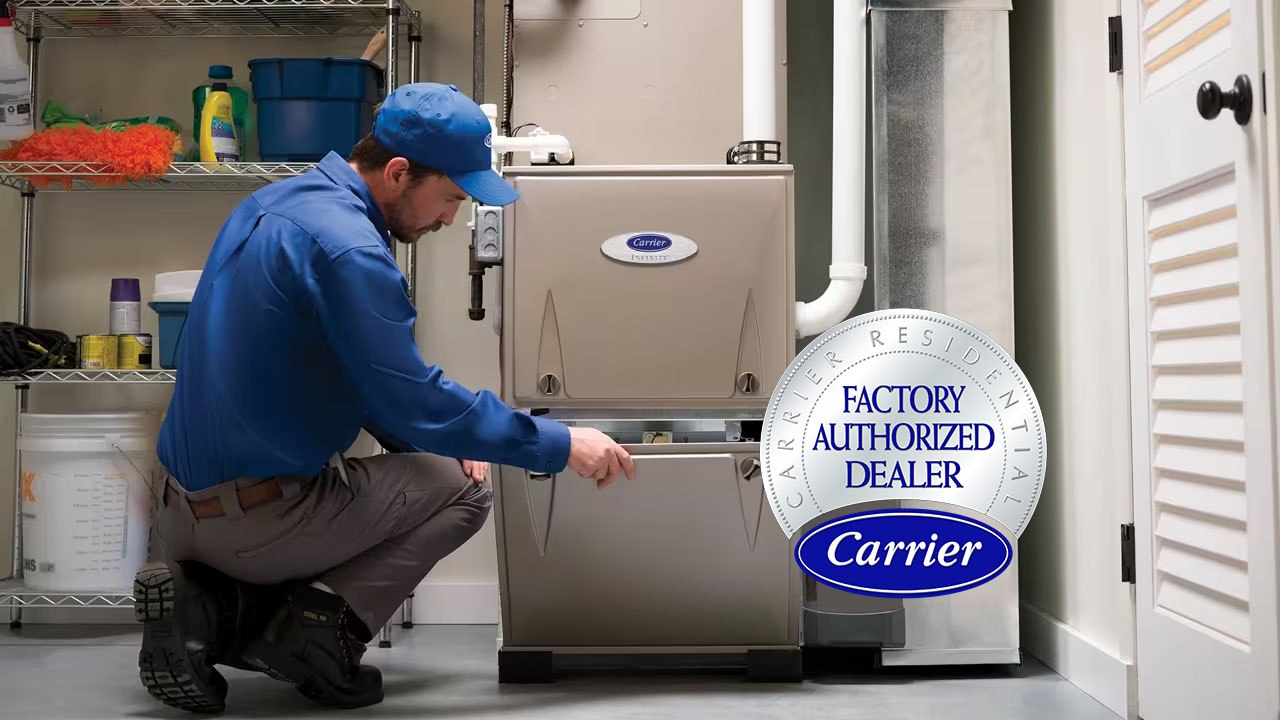
Furnaces: Natural gas or propane furnaces meeting efficiency standards qualify for up to $600.
Heat Pump Water Heaters: Up to $2,000 available for qualifying equipment.
The annual cap across all eligible improvements is $3,200. It’s important to note that this is a tax credit rather than a deduction, meaning it reduces your tax liability dollar-for-dollar.
Minnesota Rebate Programs Status
You may have heard about additional state-level rebate programs planned for Minnesota. While the Minnesota Department of Commerce has been working to implement Home Energy Rebates programs, these have not yet launched, and no firm timeline has been established.
While it would be ideal to combine state rebates with federal tax credits, the only confirmed deadline we have is the December 31st expiration of the federal program.
Qualification Requirements
To qualify for these tax credits:
- Equipment must be installed and operational by December 31, 2025
- Systems must meet specific efficiency requirements
- You’ll need to file IRS Form 5695 with your tax return
- Documentation including receipts, installation invoices, and manufacturer certifications must be retained
Not all systems qualify—equipment must meet certain efficiency standards. For example, central air conditioners require a SEER2 rating of 16 or higher. Heat pumps have specific requirements based on climate zones, which includes our cold climate region in Minnesota.
Why Timing Matters
As we approach the year-end deadline, HVAC contractors’ schedules are filling up quickly. If your system fails during the busy late fall or winter months, you may face both premium emergency service rates and the possibility of missing the tax credit deadline entirely.
If your HVAC system is over 10-15 years old, showing signs of decreased performance, or driving up your energy costs, this represents the final opportunity to upgrade with substantial federal financial assistance.
Additionally, high-efficiency systems typically pay for themselves over time through reduced energy consumption. When you factor in the immediate tax credit and ongoing monthly savings, this is an advantageous time to make this investment in your home.
Next Steps
If you’re considering an HVAC upgrade, we recommend scheduling a consultation as soon as possible. We can evaluate your current system, explain which equipment qualifies for tax credits, and ensure all documentation is properly prepared for your tax filing.
With the December 31st deadline approaching, we encourage you to reach out sooner rather than later to discuss your options.
For more information or to schedule a free consultation, please contact us.